Showing posts with label Armenia. Show all posts

Monday, 19 June 2017

COLOMBIARGH SURVIVAL GUIDE 2: TEACHING!

Those of us here often joke that "It depends" is the unofficial motto of the programme and life here, as so many things are subject to change or unknown conditions that it's difficult to really rely on anything being 100% certain. HOWEVER! don't let that put you off - it all comes down to how well you can adapt/how open you are to adapting, which, if you're reading this because you're either headed here or thinking of applying, is probably quite likely.

Anyway. Every school is different, so it's difficult to make a comprehensive/solid guide to teaching here, so consider this article more 'things to keep in mind' rather than 'things to expect', if you see what I mean. As with part one, if I receive or think of any amendments, I'll add them!

These all apply to MEN (Ministry of Education - high school level) although there're probably a lot of similarities for those teaching SENA (college and adult level).

A snapshot from my school's spelling bee, April 2017. 

1. SCHOOL SCHEDULE CHANGES

A paro (teacher's strike) has recently ended, after being in effect for over a month. The only notice us Fellows received of this was a couple of days beforehand, with the information that "It might last a couple of days, it might last a couple of weeks." This is quite an extreme case, though - typical schedule changes involve the class timetable itself.

At my school (INEM Jose Celestino Mutis), the class schedule has changed roughly every two - three weeks; before the strike, it ran from 7am - 4:30pm without a lunch break for teachers (students got one hour, but the teachers had to sit with them as they had their lunch and still try and teach a class - I know: that's nuts). My mentor did tell me recently that they expect to go back to a 7am - 4pm schedule, which does include a lunch break for teachers.

Don't worry too much about being at school all day, though - this might happen once or even twice a week, but chances are you'll have a few periods free within that time. I'm really lucky because the Bamboo House is only a ten minute walk from INEM, so I can pop back home instead of hanging around for hours.

Quick note: my students held a brief strike a few weeks ago, which was bewildering to me, coming from the UK where that sort of thing wouldn't happen. Kids formed a human barrier to prevent other students from reaching their classes, which brought everything to a grinding halt for a couple of days. Apparently, this isn't uncommon (the kids at INEM were protesting the "terrible canteen food").

2. STAFF FACILITIES / COMMUNICATION

These are kind of linked - you'll almost certainly have a separate staff room and staff canteen at your school, so make sure to show your face and say hello to your fellow teachers. Colombians appreciate people who make an effort to be friendly! My mentor made a good point a while ago: culture shock works both ways. Try to bear in mind that the way you're used to doing things/acting around work colleagues may be completely different to Colombians.

An example of accepted behaviour: at the end of a lesson, as a matter of course I wait until my co-teacher says I can leave the class. Sometimes I have to hurry to another lesson, but if I do I make sure my co-teacher knows this is why I'm scooting off.

Unacceptable behaviour: hurrying out of a lesson the instant it ends, without warning your co-teacher why. This is seen, at my school anyway, as rude and abrupt, as it gives the impression that you don't want to be around any longer than necessary. Maybe you don't for some reason, but try not to make it obvious!

If you're coming here as a volunteer/co-teacher, I would suggest you try to remember you're coming into their classroom, and as such don't expect things to be done in a way you're used to, or even in a way that makes more sense to you. HOWEVER! most teachers here are really excited to gain a fresh perspective on teaching and welcome suggestions. And even those stuck in their ways (eg. I had a co-teacher who didn't want to co-plan) aren't necessarily 'awkward' (she was still open to ideas, and simply preferred to let me know at the start of a class what was in store).

I think I'd be remiss not to note that, unfortunately, there have been instances where Fellows/co-teachers haven't got on. Sometimes, this is down to the Fellow not having the right attitude (eg. constantly complaining); sometimes it's down to the co-teacher being reluctant to adapt to working with another person. Try not to worry about this, though - it's inevitable that sometimes personalities clash, and chances are if you do find yourself in a similar situation, your mentor/regional coordinator [if you're on this programme] can help resolve any issues.

Workspace: I was lucky enough to have my own desk and locker in the staff room (which I'm losing to a new teacher, unfortunately for me) which meant I always had space to store resources and work. I don't think many of my other Fellows were this lucky, so although there should always be space for you somewhere to work on activities, don't count on it being in the staff room.

3. RESOURCES

We're really lucky at INEM because we have a projector (known as a 'video beam' here) and computer rooms, with wifi recently installed in most classrooms. I believe we're the exception rather than the rule, though. If you have one, definitely bring a laptop with you - I worked with a Fellow who left theirs behind because they didn't think they'd need it, which as you can probably imagine made it very difficult to complete various tasks.

I come from an arts/education background, so was surprised/disappointed to find that schools here don't have 'supplies' in the way I'm used to, ie. a room full of stuff to use. Instead, there are 'stores' onsite where teachers/students have to buy whatever they need, whether it's poster paper, pens or photocopies. Quick note: A4 isn't the default paper size here! I keep getting things printed out on sheets much bigger, despite providing the documents in A4 size.

Don't worry too much about loading up on coloured paper, etc - it's cheap enough to get here. I would recommend bringing whiteboard markers, though - they're like gold dust here, with teachers being very possessive of theirs haha ALSO! bring 'gifts/souvenirs' from your home country! I didn't bring anything for my teachers, simply because I didn't know how many I'd have or what they'd like, but I did bring a bunch of keyrings/pencils from Australia (just chintzy things from the Reject Shop, if you're headed over from there, too). I use these as 'prizes' for my students for when they do particularly well in activities. They love it! Seriously, they couldn't believe I was just 'giving them' something, and were happy as Larry. Now, there's a bunch of kids wandering about Armenia with Australian dollar note keyrings dangling from their backpacks haha

Students engrossed in a 'gymkhana' - a kind of academic obstacle course

4. CLASS SIZES / BEHAVIOUR / LANGUAGE

It's common for classes to average 40 students, so as you can probably imagine this makes classroom management rather tricky. During orientation, we were told about kids doing drugs in class, or setting fire to bins, but I haven't encountered anything like that at INEM, thank goodness. In my 'observation' week, I was appalled to see a young female teacher (who I've ended up working with the most, with 9th graders) completely lose control of a class, all thanks to one particularly unpleasant male student. He was moved to another class, though, and *touch wood* I've had no outright disrespect from any of my students.

The general atmosphere in classes is 'organised chaos'. Students will wander about, talk loudly or shout at each other, maybe even have little scuffles or throw stationery about, BUT chances are they're still, incredibly, doing the work. Example: in one of my very first 9th grade classes, it became apparent that there was a group of five male students who were "troublemakers" - they seemed more content to chat among themselves or disrupt other groups YET they actually did a very high standard of work by the end of class. I've seen this sort of thing numerous times in the last few months, which meant I've had to alter my perceptions and management tactics accordingly. Female students (and some males) are also obsessed with preening and selfies, so don't be surprised if they get a make-up kit out mid-lesson!

Ages are all over the place here, too. I have an 11th grade class with younger students in it than a 9th grade one! Generally, I teach students aged between 14 and 17. If you're headed to SENA, you'll end up with older teenagers through to young adults, possibly even older people.

Students, like adults in Colombia, will think nothing about putting their arms around you or air-kissing your cheek (trying to, at least - I resolutely manage to avoid this sort of thing). Coming from my own background working with kids in schools and an art gallery, the local council stressed that we should never, ever engage in physical contact. This was tricky since I worked with little kids doing hands-on art activities and parties, and they think nothing about taking your hand or sitting right next to you to see what you're doing, so it becomes awkward trying to squirm away from them, when they can't figure out what's going on. In any case, Colombians have no such compunctions so it takes some getting used to! It's refreshingly innocent, to be perfectly honest.

The language barrier! Now, I'm here to teach English, so as part of the programme we're not supposed to use any Spanish in school at all. However, and I guess I technically shouldn't be advertising this, it's almost impossible to do a decent job and not use some Spanish. Quite frankly, especially with younger students, you won't stand a cat in hell's chance of getting instructions or a point across if you don't use their language.

Two very important caveats to this: only use Spanish as a last resort and don't advertise the fact you know Spanish if you can help it. If you come here with a decent level of fluency, I would suggest pretending you're not very good. The instant students realise you speak it well, they'll be tempted to default to Spanish - fine if you see them outside school, but obviously this becomes a problem inside the classroom. I'd like to make it clear my Spanish level isn't brilliant, but it's good enough to hold (halting) conversations with some students. Sometimes I have had to explain something in Spanish but I always make sure to either pro- or preceed these instructions with English ones. 

An important/interesting final thought on all of this: without a shadow of a doubt, it makes students feel more confident in using the English they know, when they hear me use what Spanish I know. True, the co-teacher is there and they're supposed to help clarify, but you don't want to get in the habit of delivering a lengthy spiel only for the kids to wait for the teacher to translate back to Spanish for them. Simply put, there isn't time in lessons to go through this rigmarole every lesson.

AMENDMENT: Just so I'm 1000000% clear: this is what works best for me and my students. If you can get through to your students purely by talking in English, without your co-teacher having to translate into Spanish, then that's fantastic. Going by my own experiences, and those of my friends here, I honestly think you might struggle (in Colombia; I'm obviously not talking about other non-English countries/speakers) but each school is different, like I clearly state at the start, so maybe you won't struggle, just like maybe you won't get a school with a totally nuts schedule. In any case, it's whatever works best for your students, since they're what this is all about.

5. PAPERWORK

This is more of a sidenote, as it pertains exclusively to the Heart For Change programme [that's the recent batch of Fellows in the photo!]. There is quite a bit of paperwork to do, in terms of getting things signed by people at your school, and you almost certainly won't receive the relevant documentation until the last minute. Basically, if you're not in school for some reason (paro, half-term, etc) your school needs to 'approve' your absence. Don't forget you're here to teach, so although unexpected days off can be quite nice, if you're needed at school when you didn't think you'd have to be, it shouldn't be viewed as a disruption to your life (common sense, perhaps, but I've seen it happen). You also need to complete monthly reports (online), but these are pretty easy/quick.

CONCLUSION! 

To be honest, the conclusion to this is basically the same as the conclusion to part one: be flexible. That's what it all comes down to. It can be very, very hard work but the rewards are 10000000000% worth it - I've already seen a marked improvement in my students in the last few months. You'll be a celebrity at your school so I heartily recommend you embrace the chance to share your culture. I love taking photos of nature and insects, so whenever I can I show pics from Australia to the kids and they're fascinated, whether it's of a sunny beach, venomous snake or weird-looking beetle. At the end of the day, you're here to improve their education (of English, other cultures), so as long as you keep that in mind you can't go far wrong!

Monday, 12 June 2017

COLOMBIARGH SURVIVAL GUIDE

Maybe I'll add to this list as time goes on, or simply refine it. Who knows? Life is full of mysteries! I can, however, lift the veil from your eyes as to what living/working here is actually like and what sort of things to be aware of, if you're headed here or simply curious:

[nb. I've put everything under general headings but it's possible all this info might start to get a tad unwieldy as amendments and other things get added/changed, so I recommend using ctrl+f to search for any particular word/phrase for the time being.]

If you're headed to Colombia, get used to views like this. What a life!
1. BE FLEXIBLE

I absolutely cannot stress enough how important this mindset is (hence why it's top of the list). Colombians have their own way of doing things and if you're not prepared for things to change at a moment's notice (or with no notice at all), you're stuffed.

Example: more than a few weeks won't go by without my school schedule changing. In fact, something about the schedule has changed every single day I've been teaching here. Sometimes, a teacher won't turn up to class (without any notification); sometimes students won't turn up; sometimes the class changes room.

2. COLOMBIA TIME

Related to the first point is 'Colombia Time', something I was warned about before coming here. Basically, Colombians will get something done, but don't count on it being done ASAP or when they initially say so. They are almost never in any kind of rush, whether it's serving you in a cafe or organising a hike. If you're looking for a more relaxed pace of life, you will love it here. If you're used to things being done your way or when you want it doing, then you'll struggle.

3. COMMON SENSE SAFETY

Colombia really isn't anywhere near as dangerous as it used to be, and the key to your safety here is the same as pretty much anywhere in the world (don't walk around at night on your own with your phone out/earphones in, keep your bag in front of you or otherwise held so that it can't be tugged free, etc) - just be careful and don't make yourself a target. Ask which areas should be avoided or are best visited with others.

4. FOOD

I hope you like rice and beans! The variety of food here isn't anywhere near as mind-boggling as parts of the Western world, and don't be surprised to find entire fish crammed in freezers without any kind of packaging (or, as is the case here, cut and descaled out in the open beside busy streets teeming with traffic). Health and safety regulations either don't exist or simply aren't enforced, which means you'll find tons of vendors selling anything from fresh fruit juice to arepas everywhere you go. If you don't have delicate sensibilities/guts, you'll find almost all such stalls are cheap and delicious!

A quick note on menu del dia - loads of places sell this, which is a set menu comprised of a soup, main course (eg. fried chicken), accompaniment (eg. beans) and fruit juice, that can cost anything from 6,000 to 9,000 COP and is always a decent, cheap way of making sure you feel full!

Booze: this is ridiculously cheap here. If you like going out to the pub, you'll spend around 4000 COP for a bottle of local beer (Poker/Club Colombia), though you can often buy a six pack of these for around 10,000 COP! If you like wine, ARA supermarkets sell decent stuff for around 10,000 COP.

5. MOBILE/INTERNET COVERAGE

Three of the biggest providers in Colombia are Tigo, Claro and Moviestar. Depends entirely on where you go as to its reliability - we have Moviestar wifi in the Bamboo House and it's exceptional. Most people I know here (including myself) use Claro for our phones and, to be honest, there have been a lot of problems. A lot of people, using either their American phone and a Colombian sim, or even with a Colombian sim/phone combo, have ended up locked out of using them for reasons still unknown. When mine was activated, I had to wait for a phone call (to the hostel) telling me the phone was activated and, oh, here's your actual phone number. This was supposed to be done within a couple of hours of buying the phone/sim, but actually happened quite a few hours later.

Otherwise, adding to your credit is as simple as popping into pretty much any convenience store. The cost of getting a phone/sim combo for me was cheap, too - around 130,000 COP altogether (at the time of writing, the Colombian Peso is worth basically double the Australian Dollar eg. 2,000 COP = $1 AUD). Also: thousand = mil, so 2 mil is 2000 COP.


Parque de Vida in Armenia, a sort-of self-contained rainforest tourist attraction.

6. COST OF LIVING

Now, this one really does depend on where you live - Bogota in particular is very expensive. Armenia, though, is cheap as chips. 

The average cost of rent is 400,000 COP, and if you're lucky like myself and my fellow Bambooers you'll find a place with all bills included (we also have a twice-weekly housekeeper, which is quite the novelty I can tell you). However, be prepared for: cold water showers and no oven in the kitchen in most places. Cutlery and crockery may or may not be provided, but if it's not, chances are there'll be somewhere to get cheap stuff from (in Armenia, you can pick up cheap everything from centro in the south).

AMENDMENT: thanks to Isobel Rose for reminding me that some apartments come unfurnished. As she notes: "There tend to be junkyard type places with cheap furniture (I bought a bed frame and slats for 70 mil including delivery in Neiva)" 

[We're super lucky in the Bamboo House as we have everything we need, including a washer/dryer - launderettes in bigger cities tend to be quite pricey, but they're plentiful and reasonably-priced in Armenia if you ever need to use one]. There really are places for rent ("Se Arrienda") everywhere you go, so keep an eye out for "amoblado", as this means 'furnished'.

Travel within Colombia is cheap. For example, most buses to neighbouring towns cost just under 2000 COP each way, and you can make a trip to somewhere like Medellin (6 hours from Armenia) for 40,000 COP each way.

Groceries are cheap. A decent weekly shop really shouldn't set you back more than around 70,000 COP, though it's possible to spend much, much less if you're frugal and can't get enough of rice/beans/pasta.

Some stuff costs silly money. It surprised me that towels cost more than food, for instance. If you're after 'luxury/home comfort' items (eg. peanut butter, proper gin) these will cost a bit, too, because they're typically imported.

Travel by taxi/bus within a city is also cheap (buses in Armenia cost 1700 COP each trip, but that trip could cover the entire city if you want) but be careful of taxi drivers looking to overcharge. Generally speaking, you'll pay a minimum of 4000 COP for a taxi - if they have a meter, ask them to make sure it's turned on. It's also possible to sort out a cost before you set off for somewhere, if you're lucky. If a taxi driver hears you speaking English, and you ask the cost of getting somewhere, chances are it's too high and you can haggle (eg. when my friends and I were in Medellin, a taxi cost us 10,000 COP for what amounted to a five minute trip!).

Also, be aware that homeless people will often hang around taxi ranks to flag one down/open the door for you, and they'll expect money for doing so. You can try ignoring them (or give them money if you really want to, but I strongly advise against it as chances are they'll then single you out whenever they next see you - this has happened to people I know), but often you'll find it's easier to just wait a little further down the road for a taxi and grab it as it passes. I've seen this in a few places here but Bogota was the worst for it.

7. THE LANGUAGE BARRIER

I strongly recommend trying to learn Spanish before you come here, if you don't know it already. I took eight months of free lessons beforehand so felt confident in general activities, such as ordering in restaurants/going shopping (I suppose you could call this 'tourist level Spanish'), though I've learnt a lot more simply by being immersed in the culture. Lots of cities run some form of 'conversation club', too (these are typically called things like 'Gringo Tuesdays') where you can practice your Spanish with native speakers and help them with their English.

As long as you're patient with yourself, it shouldn't prove too frustrating trying to communicate here - most Colombians are very supportive and gracious if they hear you're making an effort. Also, I've found that most Colombians who do speak English really relish the chance to use it, so don't be surprised if you try ordering food at your local KFC in Spanish, only for the server to respond in English haha

8. THE CLIMATE

Although there aren't typical seasons in Colombia, due to the proximity to the equator, there are distinct differences in each region. Basically, the coast is extremely hot, mountain cities like Bogota can be as mild as an English Spring, and interior places like Armenia are pretty warm, though it's rarely unbearable (coming from Brisbane, the heat here is easy to take, though those from cooler countries/states may feel like they're melting). There are a LOT of thunderstorms here, too, which makes for some pretty cool light shows at night.

9. POLITICS

This is pretty simple: due to the extremely raw and recent history involving FARC and Pablo Escobar, I quickly realised Colombians don't like to actively talk about these things. Some will, but most don't like it to be brought up. So if you're curious, read about it rather than ask, unless it naturally comes up in conversation.

A sphinx month - a recent visitor to the Bamboo House. It's the size of a small car.

CONCLUSION!

Though the culture here is very different to the Western world, there are parallels (Colombians can be as laidback as Australians, for instance) and ways to find or do the things you're used to, whether it's dine in a fancy restaurant or go rock-climbing. Colombia is excellent for an active/outdoor lifestyle and is full of friendly, helpful people. As long as you come with an open mind and healthy attitude towards changing the way you expect to do things, you'll do absolutely fine here.

Any questions? Leave a comment and I'll amend this guide accordingly!


Tuesday, 30 May 2017

A VISITOR

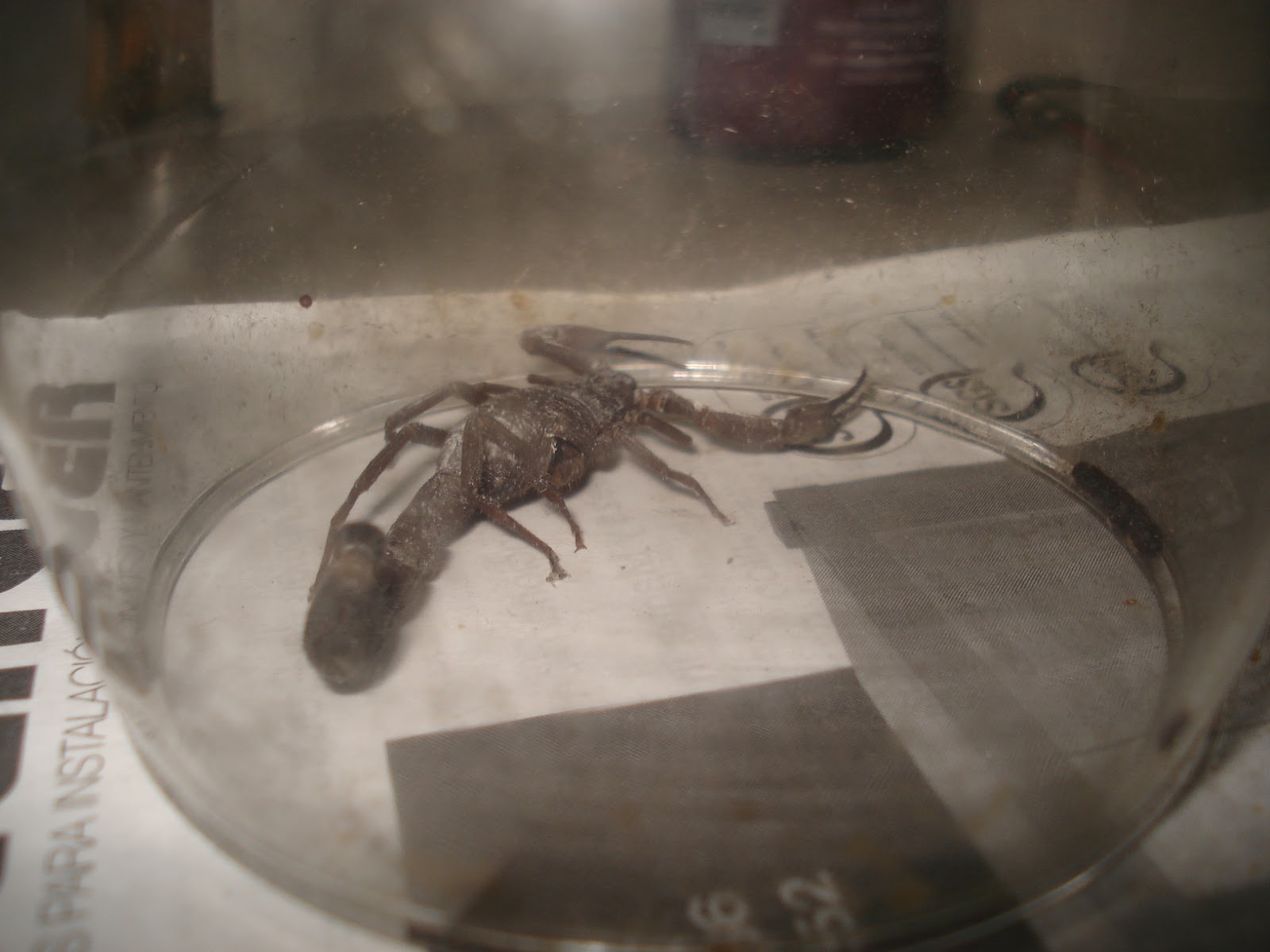
Hello there. I'm working on some posts about the culture here, but first let me just show you what I found in my room this evening:


I'm still looking into what sort he is, but I do know he's not one of the most dangerous (there are two in particular, both smaller than this and brown). I have had those in my room before, though half were dead and the others I managed to scoop up in my trusty wine glass (as pictured) and put them back in the bamboo forest.

Before you panic at the thought of living here and encountering monsters like this, I seem to have remarkably bad/good luck (depending on how you feel about bugs) with regards to attracting the little (and not so little) blighters. Everyone else here in the Bamboo House has found bugs but nowhere near the frequency I do - this house, like so many in Colombia, isn't actually sealed off from the outside world. We have a 'balcony' looking out over the bamboo, where a window maybe ought to be, and the roof over the communal kitchen area isn't sealed off at the sides. Newer apartments are far more insect-proof, of course.

The bad news for this fella is that he's probably on his last legs, given how he was dragging his tail around. Plus, that white stuff is almost certainly mold. I honestly have no idea how he got like that, but if he's been living under my fridge (I found him next to it) it's entirely possible he's been there a fair few days, if not longer. I've moved him into a temporary home to keep an eye on him, see if I can help him get better (and feed him the other bugs I get in here), so fingers crossed for that.


Friday, 26 May 2017

THE NITTY GRITTY / FOUR MONTHS AGO

Since I've been here four months, I have a bit of catching up to do with this blog - I'll get to the 'good stuff' soon enough, but first I'll fill you in on events leading up to me writing this right now. Think of it as like literary time travel. Now squint your eyes, make a sound like a xylophone glissando, and pretend everything's going wavy - that's right, chums; you're having a flashback!

BEFORE!

Generally, the process to become a co-teacher here was pretty painless, though it wasn't all smooth sailing to get to this point. Today, I'll give you the skinny on the application process and what happened up to, and including, my arrival in Colombia.


July 2016: I applied through a recruitment company called Greenheart (they handle everything, from visa details to city placement). I had to complete a form detailing not only what I expected to get from the experience, but why I wanted to teach in Colombia, as well as any relevant experience that I thought might help me get a position.

Obviously this depends on the individual, but for me, I worked extensively with kids and young adults (in and out of education settings) back in the UK, plus travelled a lot over the last four years, so all that sort of stuff can be used to show relevant skills/interests.

sidenote: I also have a PTTLS certificate from the UK (this allows me to teach in the "post-16 sector" ie college and adult education level. I didn't have a TEFL certification (which you don't need for this job) but figured I'd get one, because it would only be a good thing to have (I completed and received this in October 2016). I would recommend getting this before you come if you don't have it already, as it definitely reminded me that certain skills teaching to native English speakers aren't necessarily useful for non-native speakers eg. I have no trouble talking and keeping people's attention, but this is to my detriment here as I need to give students the chance to process what I'm saying.

August 2016: I had three Skype interviews, that covered 1) any initial questions I might have about the programme, then 2) a follow-up to my initial application form and finally 3) a chat with an existing Fellow here in Colombia, who asked me a bunch of questions, as well as once again ran through my application form. Around this time, I was also asked to submit preferences for where I'd like to be placed. I said 'anywhere cool and mountainous', but after my third chat was given a few places to research. Armenia was one, and luckily enough that's where I ended up.

September 2016: Offered a place on the programme! I had to pay a $500 US deposit, which was to secure my placement. This was the only cost directly related to Greenheart (I did have to pay for insurance, which I think was around $300 US, but that's for me and didn't go to Greenheart). The cost is the number one thing that attracted me to this particular company, along with the prospect of a bonus for completing my contract (I signed up for a year) AND having my first month's accommodation in my placement city paid for.

December 2016: Spent the next few months sorting out paperwork, such as stuff for the visa and insurance, and in mid-December found out I was being placed in Armenia! The only downside is that, due to a funding cut (from the Colombian government) they pulled the initial benefit of paying for the first month's accommodation in the placement city, as well as knocked a chunk off the contract completion bonus.

January 2017: I left Australia and headed to Bogota! There was a lot of last minute changes and waiting around for news on the start date (the 22nd), which was my first taste of what the Colombian government is actually like. I packed comfortable smart/casual clothes and a bunch of my favourite t-shirts, had a restful night in Florida, then arrived in Bogota for...

ORIENTATION!

So this was nuts. My flight arrived at lunchtime on the 22nd, and I met a few other Fellows at the airport. We were bundled into a minivan and taken to the Hotel Estelar La Fontana. The place was like a swanky fortress village, all self-contained plazas and cafes. There were a bunch of rooftop terraces that afforded top views of the surrounding mountains, too:


Rooms were mini apartments, single sex, and I was put with a chap from Australia who'd just extended his contract for another six months. He was only around for a few days, but all us newbies had ten days of 8am - 5pm (breakfast was from 7am, tea (aka dinner) from 6pm), which were crammed with intense (and HIGHLY repetitive) presentations and exercises. I don't know about you, but maybe you go bananas for having the same information delivered to you in different ways. In which case, you'd do absolutely fine in orientation. Anyone else looking at doing this: buckle up for one hell of an infodump. These were all lead by representatives of either Heart For Change/Volunteers Colombia (who I'm actually employed by) or the Ministry of Education, and covered quite literally everything from safety tips to culture shock to lesson planning and god knows what else. It was INTENSE and there was absolutely no need for it to be so hardcore.

However, one great thing about all this is that we were all in the same boat, so it immediately gave us something to bond over. I also got to finally meet some Fellows I'd connected with via Facebook (Greenheart run a page for new and old Fellows to get info from each other) and there was such a strong sense of community and camaraderie that it somewhat negated all the boring and redundant meetings.

There wasn't a lot of actual free time to do stuff and get out and see Bogota, so we all grabbed what chances we could. There was a cool huge park nearby so a bunch of us would go there and play frisbee:

One dusk a load of us went to the top of Montserrate (a mountain) which afforded a stunning sunset view of the city. In fact, Bogota is ringed by mountains and is something like 2000m above sea level - I did have trouble breathing quite often due to the altitude, which coupled with my jet lag really knocked me for six. Ultimately though it was worth it, as I got to eyeball stuff like THIS:


ACCLIMATIZATION!

Before we knew it, orientation was over and we had to leave at 3:30am(!) to catch a flight to Armenia. We were all worried about finding proper places to stay, but for the first week or so most of us hunkered down in a really nice hostel called Wanderlust. Sharing the same worries and being joint strangers in a new place really forged a strong sense of community between us all, and it's one that's seen the Armenia Fellows remain one of the closest-knit groups on the programme (I reckon).

Make no mistake: the first month was HECTIC. We all had to find places to live, get to know each other better, find out exactly where our schools were, and generally acclimatize to a completely different lifestyle. But, as I mentioned in my previous post, pretty much everyone I've met here shares the same desire to travel, experience new things, and teach, and that is extremely refreshing for me personally, after dealing with people who aren't bothered by such things - or worse, have become jaded and unpleasant about them.

Something that was rammed home in orientation was this need to be flexible. Basically, if you're not willing to bend to the Colombian way of doing things, you're not going to do well here. This is absolutely true. In the four months I've been here, I've seen and heard of Fellows who can't really handle this lifestyle and it's not worked out for them, because the Colombians (and in some cases, the programme leaders) do pick up on it. As the mentor at my school put it: "Culture shock works both ways." Maybe that all sounds a little doomy, but really it mainly involves either a stubborn refusal to adapt or being a victim of immaturity and not giving this opportunity the respect it deserves.

ARMENIARGH!

Mountains! Mountains everywhere!
But enough if that! Let me tell you a bit about ARMENIARGH! It's in the Quindio region and forms part of the so-called 'coffee triangle'. There are fincas (coffee farms) everywhere here, and it's surrounded by, and comprised of, some truly awesome mountains. What I personally like about this city is that it's small enough to walk around without taking ages to get anywhere, and there are a load of picturesque towns/hikes littering the surrounding area.

The city is effectively split by an exceptionally long street called Carrera 14 that runs right down the middle, from the very north to Plaza Bolivar in the south (this area is known as centro and is home to a staggering amount of stalls and shops). The north is ostensibly the 'nice part', with the south being home to more shanty type homes and beggars. It's somewhere that is perfectly safe to walk around during the day on your own, provided you don't actively look like a gringo (ie. keep your phone hidden, don't wear ear/headphones, and keep your bag closed and either in front of you or slung over your shoulders so that it can't possibly be tugged free). It's not somewhere I would suggest venturing at night on your own, but I go there with friends after dark and feel perfectly safe.

View from behind our hostel

A snapshot of Carrera 14

It's almost impossible to not find mountains peeking from behind buildings here
Compared to much bigger cities like Medellin (which is BRILLIANT) the nightlife isn't as vibrant, but there are still plenty of bars, restaurants and cafes. More than enough to provide a new place to eat/drink every few nights if you wanted. Salsa is, of course, extremely popular, with most clubs here offering that sort of environment (karaoke is also popular here). Armenia is home to a few university campuses, so there's a nice 'young' vibe to the north, with tons of students always wandering about (they all seem remarkably well-behaved too!).

Activity-wise, Aremnia is pretty, well, moderate. There's a museum to the far north, a nice rainforest-y park in the middle...and that's about it. We have cinemas and go-karting, and tejo (more on THAT soon!) but compared to other cities it's all rather sedate. I, however, like this and living here is muy tranquilo - very relaxing.

Leafcutter ants live absolutely everywhere here
Life is generally pretty cheap here, and I'll go into detail about all this next time, but suffice to say the stipend provided by the programme lasts perfectly well. There were a few unexpected costs upon arrival here, such as paying for our cedulas (an ID card) and (in the case of my housemates and I) paying a deposit on our apartments, but the cedula cost was reimbursed and (hopefully) we'll get our deposits back - although we didn't sign contracts, which to me is a huge no-no but apparently very common here. So far, our landlady's been pretty good and approachable so we're probably going to be fine *fingers crossed*

NEXT TIME!

I'll talk more about MONEY and THE LIFESTYLE, with more info on actual teaching coming soon after that. I'll also reveal a few cool stories from my first month, which demonstrates the general helpful and friendly nature of Armenians.

Also, you should leave the flashback now before you get stuck in the past!


Wednesday, 24 May 2017

LIFE IN THE BAMBOO

HELLO, INTERNET!

My name is Wayne Goodchild and some of you may know me from my adventures in writing weird fiction or uncontrollable noise (my main blog is all about those things, fact fans!) but the blog you're currently shoving into your eyeballs is going to be exclusively about my current adventures here in Colombia, where I teach English and live next to a bamboo forest as an erstwhile insect-wrangler [I deal with a lot of bugs].

I regularly find scorpions in my room!

THE STORY SO FAR!

I'm from England but spent the last two years living between Australia and Texas. I applied for this job back around July 2016, via a company called Greenheart (though I'm actually employed by Heart For Change), had three Skype interviews, got accepted around September 2016, landed in Bogota on January 22nd 2017 for ten day's worth of orientation...and then moved here to Armenia at the start of February. I'll detail the whole 'before' process in a separate post, for anyone interested in what's actually involved, but for now I can tell you: it's very thorough and exciting; orientation is mental; you'll make some amazing new chums very quickly.

Also, as someone who's never been to South America, it is a beautiful country - Colombia is #2 in the world for biodiversity (Brazil is #1) whereas Australia is #7 (but #1 for reptile/fish species). I honestly think Australia might be a little more beautiful, but I had two years there and saw a whole ton of cool scenery and wildlife, so Colombia's got a bit of catching up to do :D well, technically, I have, as there are plenty of different biomes I've yet to explore here.

ANYWAY!

I'll update this blog at least once a month with a hefty chunk of words and pictures, but will likely post a few times depending on the amount of stuff I do/see. At the moment, there's a paro on (a teacher's strike), which means most of us Fellows (as we're referred to) haven't been at work for two weeks. You might think "Oh nice, a paid holiday!" but to be honest we all came here to work so, as nice as unexpected time off is, it's starting to get a bit boring now. Generally speaking, we all have great students (I definitely do) and miss them.

THE SCHOOL!

I work at a school called INEM JOSE CELESTINO MUTIS teaching grades 9, 10 and 11. Ages range wildly within classes (for instance in one of my 9th grade classes I have 14 years olds next to 17 year olds) as does the English level - some kids have impeccable English already, whereas others are more like me with my Spanish; I can read it pretty well but don't yet possess the vocabulary to hold extended conversations. *touch wood* so far I haven't dealt with any overt disrespect and get on really well with my students and co-teachers (I've got kids doing The Fonz at me, thinking I invented it hahaha) and it's all-in-all an extremely positive experience. Part of the reason for this is the sheer joy at seeing a noticeable impact I'm having on the kids already, whether it's an increase in their English level, having them ask about my life, or lose a shyness that prevented them from truly participating in class.

Here I am with one of my 11th grade classes!

BAMBOO CREW 4 LIFE!

I live in a place affectionately known by all the Fellows here as 'The Bamboo House', with three other Fellows. We have a bamboo forest behind us, which is really nice to sit and admire from the comfort of my balcony (there are loads of birds living in it, including a blue-crowned motmot [pictured]). Pretty much everyone who's on this programme came here with a flexibility and tolerance for the different lifestyle, and hunger to experience a new culture (and share our own) - living with other like-minded folks is really, really nice. 


NEXT TIME!

I'll talk more about the nitty gritty of the 'before' process and detail my arrival and first week or so in Armenia!

This post was proudly sponsored by this music video: